Reservation
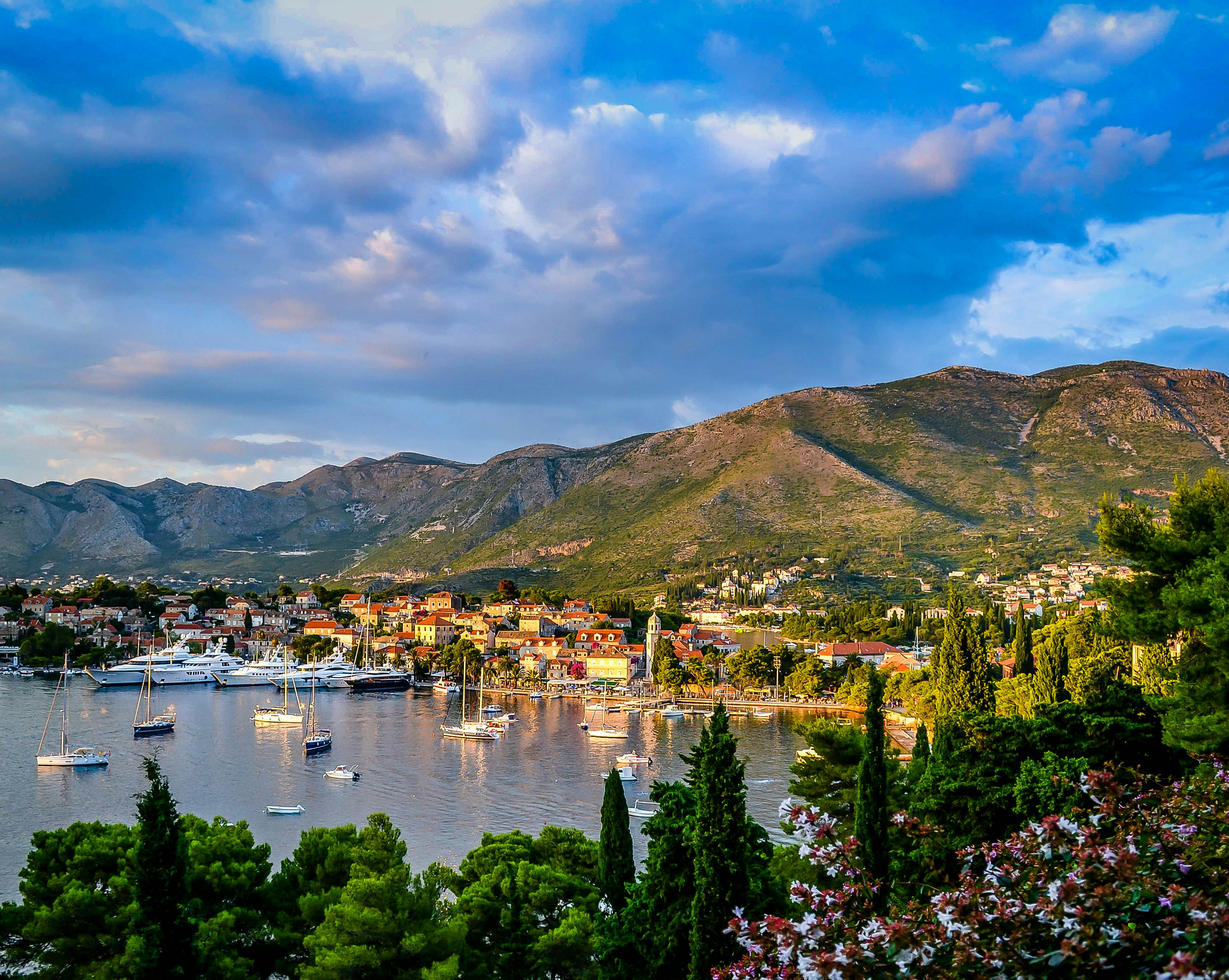
+385 98 906 2712Cavtat sits on a wooded peninsula about 18 kilometres south of Dubrovnik, ringed by two small bays and a seafront promenade that's been polished by twenty centuries of footsteps. The Greeks knew it as Epidauros, the Romans renamed it Epidaurum, and the locals have just kept on living here.
It's the easier sibling of Dubrovnik. Smaller, quieter, no city walls to climb in 35°C heat, and yet the same crystal-clear water and the same warm Dalmatian evenings. People come for one day from Dubrovnik and end up moving the rest of the week down here.
If Dubrovnik is the postcard, Cavtat is the place you actually live in for a week.
Travel writers, official tourism sources and our favourite long reads about the town.
Greek settlers from the island of Vis founded Epidauros here roughly 2,250 years ago — making Cavtat one of the oldest towns on the eastern Adriatic.
When the Slavs raided Epidauros in the 7th century, the survivors fled north and founded a refuge — Ragusa — which we now call Dubrovnik.
The Račić family mausoleum, designed by Ivan Meštrović in 1922, sits at the highest point of the peninsula. The view from the cypresses around it is the postcard.
One of Croatia's most beloved 19th-century painters. His home is now a museum a few minutes from us — go in the late afternoon when the rooms catch the light.
The nearest international airport is closer to us than to Dubrovnik old town — most guests are at the apartment door fifteen minutes after picking up their bags.
The bay-side beach is the lively, family one with a pebble shore. The other side, towards the Mausoleum, is rocky, quieter and where locals swim early.
You can walk the entire seafront in just under thirty minutes — the path circles the peninsula and only ever leaves the water for a few metres.
Skip the bus: a small ferry runs between Cavtat and Dubrovnik harbour several times a day in season — 45 minutes of pure coastal scenery.
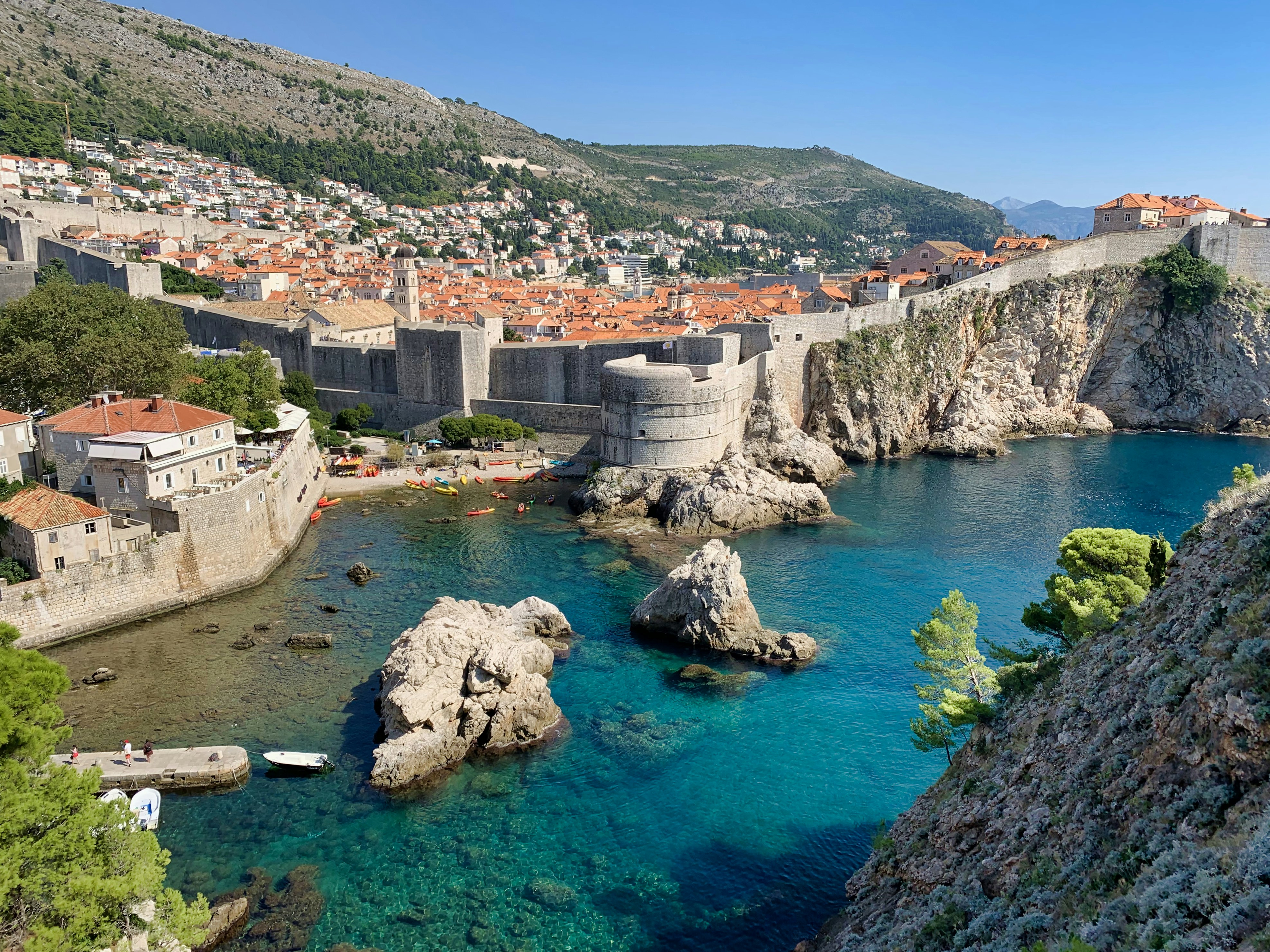
Dubrovnik is the headline act of the region — a UNESCO-listed medieval city, complete city walls, the kind of beauty that gets overrun by July. The trick is to use Cavtat as a base and visit Dubrovnik on your own terms: early morning, late afternoon, off-season, by boat.
From Cavtat: the bus takes 30 minutes (and costs almost nothing), the boat takes 45 minutes (and is much nicer), and a taxi is about 20 minutes outside rush hour.
The official city pass bundles entry to the city walls, museums, public transport and selected attractions. It pays for itself if you visit two or more sites.
Get the Dubrovnik Pass
Reservation
+385 98 906 2712Or email: info@apartments-kralj-ana.com